The Question Every Retroid Pocket 6 and Odin 2 Owner Is Asking
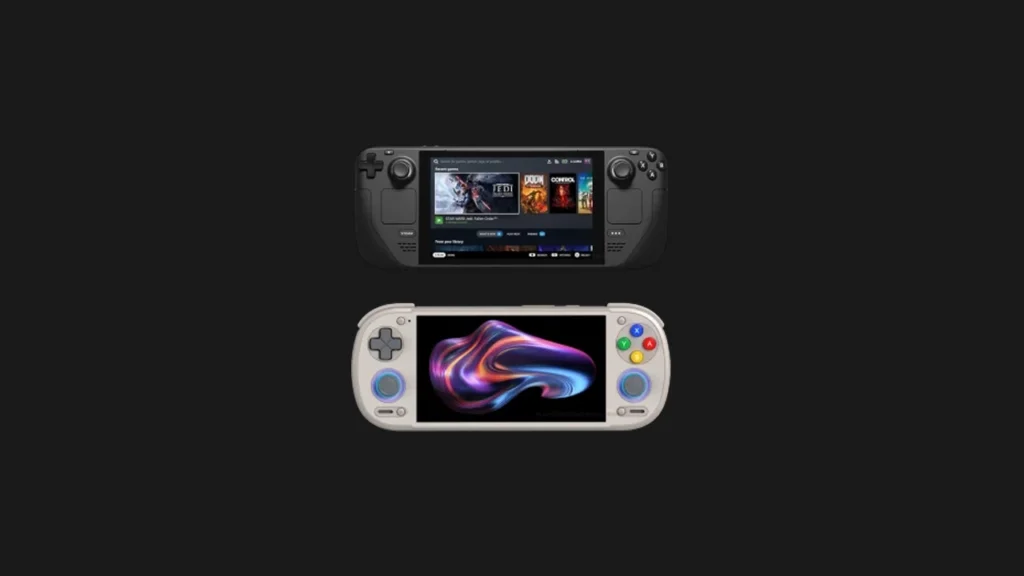
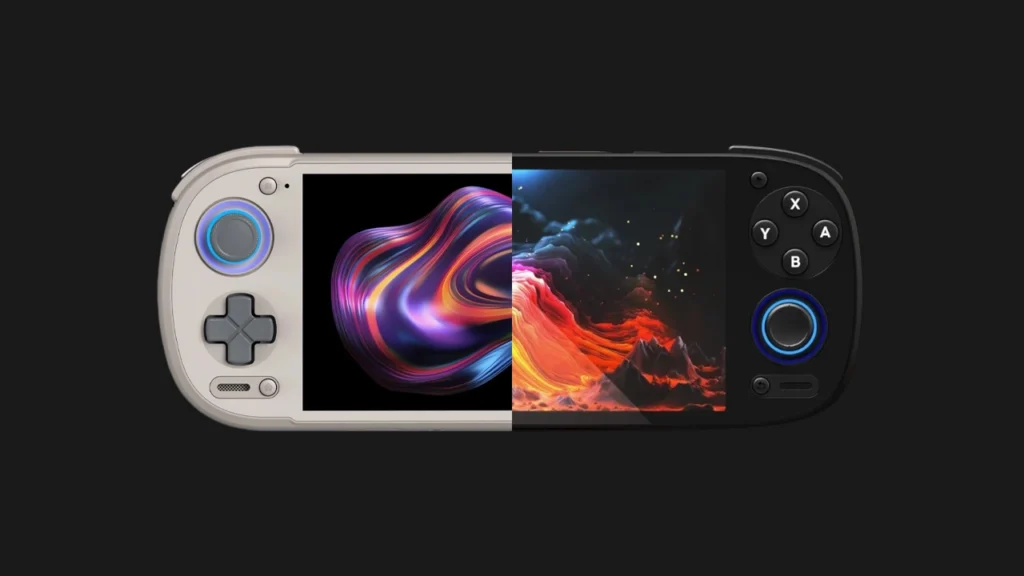
The Snapdragon 8 Gen 2 has been the gold standard for Android Switch emulation since 2024, powering the Retroid Pocket 6, Ayn Odin 2 Portal Pro, Anbernic RG557, and Ayn Thor. The Snapdragon 8 Elite arrived in flagship phones in late 2024 and reached dedicated Android gaming handhelds in 2026 with the AYN Odin 3. Should you upgrade? The answer in mid-2026 is more nuanced than the raw benchmark numbers suggest.
What Changed: 8 Gen 2 to 8 Elite
Manufacturing process: 4nm to 3nm. The smaller node means higher transistor density, better efficiency, and higher sustainable clock speeds.
CPU architecture: The 8 Elite uses Qualcomm’s new Oryon CPU cores — a departure from the ARM Cortex-A series used in all previous Snapdragon chips. Oryon delivers substantially higher single-threaded performance, which matters significantly for Switch emulation (single-threaded CPU performance is the primary bottleneck in Switch emulation, not multi-core throughput).
GPU: Adreno 740 to Adreno 830. The 830 scores approximately 40–50% higher in GPU benchmarks. For Vulkan-based Switch emulation — which Eden and Citron use — this headroom is significant once driver maturity catches up.
RAM bandwidth: Higher on the 8 Elite, which reduces memory latency during shader compilation — one of the main sources of stuttering in Switch emulation.
Benchmark Numbers
Snapdragon 8 Gen 2 (Retroid Pocket 6, Odin 2 Portal Pro): ~1,500,000 Antutu; Geekbench 6 roughly 2,000 single-core / 7,000 multi-core.
Snapdragon 8 Elite (AYN Odin 3): ~2,842,721 Antutu; Geekbench 6 3,123 single-core / 9,819 multi-core.
The 8 Elite is roughly 90% faster by Antutu. In ideal conditions, that’s a transformative difference. In real-world Switch emulation in mid-2026, the gap is substantially compressed by Vulkan driver maturity.
The Driver Maturity Factor
Switch emulation performance on Android is as much about GPU driver quality as raw hardware power. Eden, Citron, and community Turnip Vulkan drivers have been optimized extensively for the Adreno 740 (Snapdragon 8 Gen 2) over multiple years. The Adreno 830 (Snapdragon 8 Elite) is comparatively new territory as of mid-2026.
Qualcomm’s new Oryon CPU cores are also a departure from the ARM Cortex architecture that emulators have been tuned against. Recompilers and JIT engines in emulators need adjustment for new CPU microarchitectures to extract full performance.
The practical result in June 2026: for demanding Switch open-world titles like Tears of the Kingdom, an Ayn Odin 2 Portal Pro (8 Gen 2) matches or slightly outperforms the Odin 3 (8 Elite) because of mature driver support. For titles that are GPU-light and CPU-bound — where the Oryon cores’ single-thread advantage shows — the 8 Elite already wins clearly.
Head-to-Head: Game Performance in Mid-2026
Mario Kart 8 Deluxe: 8 Elite wins — already shows the performance advantage at 2x+ resolution scaling.
Animal Crossing: New Horizons: Tie — both locked 60fps, no meaningful difference.
Hollow Knight, Celeste, 2D indie titles: Tie — both hit target framerates easily.
Zelda: Tears of the Kingdom (open world): Tie or slight 8 Gen 2 edge — driver maturity limits the 8 Elite here in mid-2026.
PS3 via RPCS3: 8 Elite wins clearly — the CPU power advantage shows in PS3’s demanding workloads where driver maturity matters less.
Projected Q4 2026 (post-driver maturity): 8 Elite wins across the board, often significantly for demanding titles.
Price Comparison
Retroid Pocket 6 (8 Gen 2): $229–$249
Anbernic RG557 (8 Gen 2): ~$249
Ayn Odin 2 Portal Pro (8 Gen 2): $399
AYN Odin 3 (8 Elite, base): ~$449–$549 depending on RAM configuration
KONKR Pocket FIT (8 Elite): Competitive budget option at the lower end of the 8 Elite tier
Should You Upgrade?
Upgrade to 8 Elite if: You’re buying new and plan to keep the device 2+ years; you want the best sustained performance by Q4 2026; you want headroom for Switch 2 emulation when it eventually becomes feasible; or you play PS3 and demanding multi-system emulation heavily.
Stick with 8 Gen 2 if: You want the best Switch 1 emulation performance available right now (8 Gen 2 is still the more polished choice in mid-2026); budget is a consideration; or you specifically want the Retroid Pocket 6’s combination of price, size, and AMOLED display quality.
The honest summary: If you already own a Retroid Pocket 6 or Odin 2 Portal Pro, there is no compelling reason to upgrade in mid-2026. The 8 Elite’s real advantage for Switch emulation emerges by Q4 2026 as driver support matures. If you’re buying fresh with no existing hardware, the 8 Elite is the more future-proof investment — but budget buyers get excellent value from the 8 Gen 2 devices available at $229–$399.