Published: June 30, 2026. Specifications sourced from official Anbernic and Retroid product pages. Performance data reflects publicly reported community testing as of mid-2026.
The AMOLED Handheld Tier: Three Strong Contenders
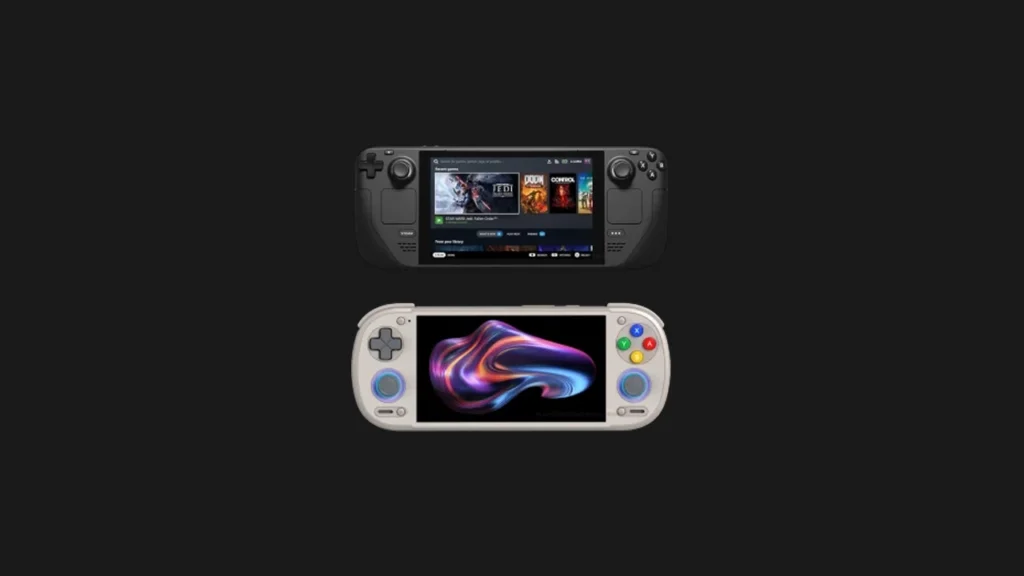
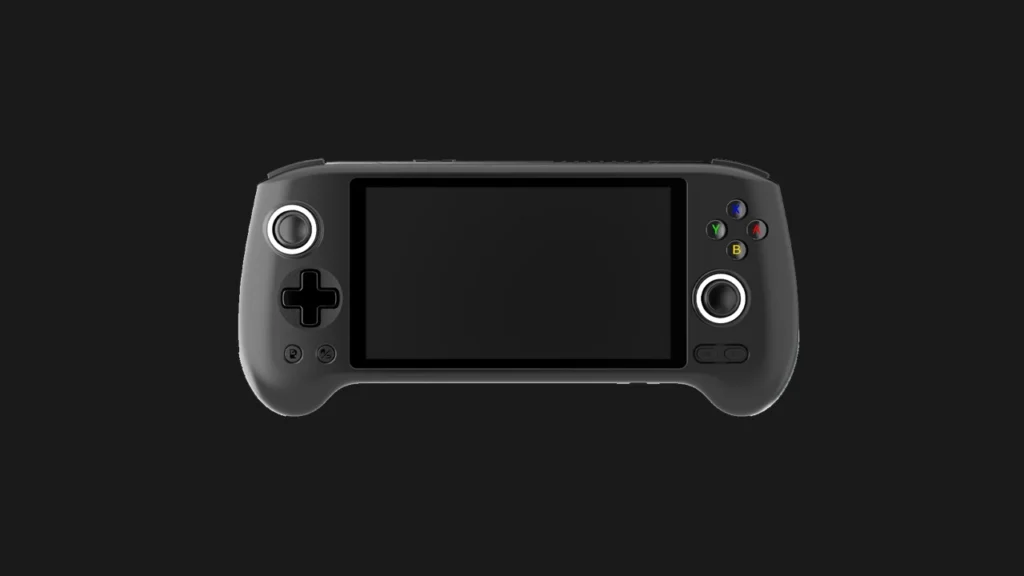
The premium Android emulation handheld market in 2026 has converged around 5.5-inch-class AMOLED displays as the standard for serious devices. Three options dominate buyer shortlists at this tier: the Retroid Pocket 6, the Anbernic RG557, and the budget-tier Anbernic RG556. This comparison breaks down exactly where each one wins.
Specification Comparison
| Spec | Retroid Pocket 6 | Anbernic RG557 | Anbernic RG556 |
|---|---|---|---|
| Display | 5.5″ AMOLED, 120Hz | 5.48″ AMOLED, 60Hz | 5.48″ AMOLED, 60Hz |
| Resolution | 1080×1920 | 1920×1080 | 1080×1920 |
| Chipset | Snapdragon 8 Gen 2 | Dimensity 8300 | Unisoc T820 |
| GPU | Adreno 740 | Mali-G615 MC6 | Mali-G57 |
| RAM | 12GB LPDDR5X | 8/12GB LPDDR5X | 8GB LPDDR4X |
| Storage | 128GB UFS | 128/256GB UFS 4.0 | 128GB UFS2.2 |
| Battery | 5,000mAh | 5,500mAh | Not specified, similar class |
| Wi-Fi | Wi-Fi 7 | Wi-Fi 6E | Wi-Fi 5 |
| OS | Android 13 | Android 14 | Android 13 |
| Price | $229-$249 | ~$280-$330 | ~$210-$250 |
Display Quality: RP6’s 120Hz Is the Tiebreaker
All three devices use 5.48-5.5 inch AMOLED panels with excellent contrast and color reproduction — none of them disappoint here. The meaningful difference is refresh rate: the Retroid Pocket 6’s 120Hz panel delivers visibly smoother motion in fast-paced games and even in basic UI navigation, while both Anbernic devices are capped at 60Hz. For turn-based RPGs, visual novels, and most retro emulation, this difference is negligible. For action games and racing titles, it’s noticeable.
Switch Emulation Performance: Chipset Is Everything
This is where the comparison becomes most decisive for readers of this site. The chipset and — critically — the GPU vendor determine real-world Switch emulation quality far more than raw benchmark scores suggest.
Retroid Pocket 6 (Snapdragon 8 Gen 2 / Adreno 740): The clear winner for Switch emulation. Years of accumulated Vulkan driver optimisation work from the Eden, Citron, and Kenji-NX teams have concentrated specifically on Qualcomm Adreno GPUs. Handles the vast majority of the Switch 1 library at playable framerates, including demanding open-world titles.
Anbernic RG557 (Dimensity 8300 / Mali-G615): Capable for lighter Switch titles but noticeably behind the RP6 on demanding open-world games, due to comparatively less mature Mali GPU driver optimisation within the emulator community. Excellent for PS2, GameCube, and Wii emulation, which are less driver-sensitive.
Anbernic RG556 (Unisoc T820 / Mali-G57): The weakest of the three for Switch emulation specifically. Handles roughly 80-85% of the pre-2023 Switch library competently per community testing, struggles significantly with post-2023 demanding titles. Strong for PS1, PS2 (most titles), and earlier console generations.
Battery Life
The RG557’s 5,500mAh battery rated for 8 hours edges out the RP6’s 5,000mAh capacity on paper. In practice, actual battery life during Switch emulation specifically depends more on workload intensity than raw capacity — the RP6’s more efficient Snapdragon 8 Gen 2 under demanding Switch emulation loads often closes much of this gap, while the RG557’s advantage shows more clearly in lighter, less GPU-intensive use cases.
Connectivity
The RP6’s Wi-Fi 7 support is the most future-proof of the three, though practical benefits depend on having compatible Wi-Fi 7 router infrastructure. The RG557’s Wi-Fi 6E is still excellent and meaningfully ahead of the RG556’s Wi-Fi 5. For cloud gaming streaming (Xbox Cloud, GeForce Now) — a use case where the RG557 markets itself strongly — the Wi-Fi 6E connection delivers a real quality improvement over older standards.
Build Quality and Controls
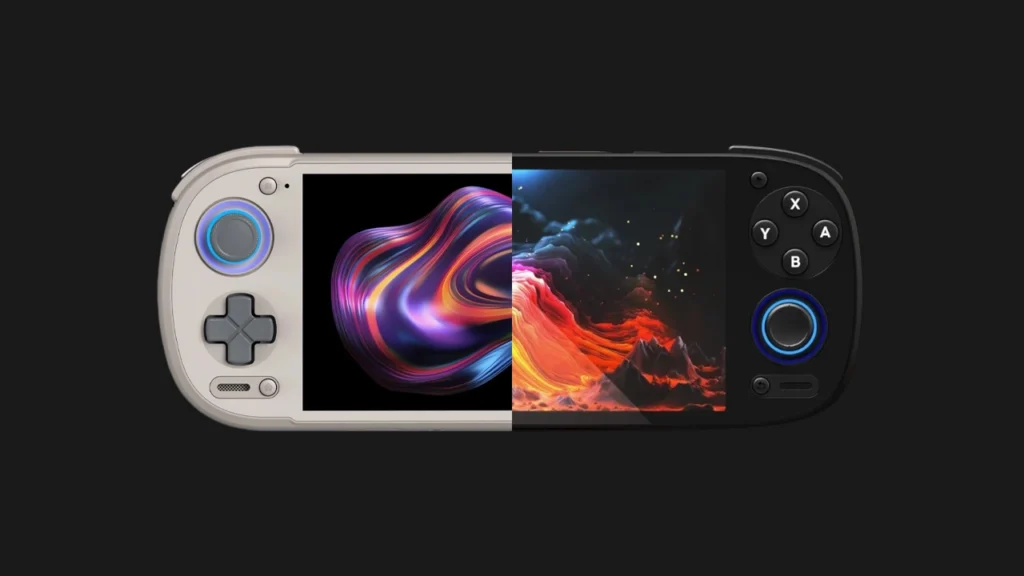
All three devices feature Hall-effect analog sticks, eliminating long-term stick drift concerns. The RG557 adds RGB lighting around the sticks and linear Hall-effect triggers with progressive feedback — a genuinely premium touch not matched by the RP6 at a similar price point. The RP6’s button feel and overall ergonomics remain excellent, refined over several generations of the Retroid Pocket line.
Price-to-Performance Verdict
Best for Switch emulation specifically: Retroid Pocket 6. The Snapdragon 8 Gen 2’s mature Adreno driver ecosystem is the deciding factor, and it’s also the cheapest of the three.
Best for PS2/GameCube/Wii with Switch as secondary: Anbernic RG557. Stronger battery, better connectivity, premium controls, and genuinely strong performance on the console generations it’s optimised for.
Best budget entry point: Anbernic RG556. Same gorgeous AMOLED screen as the RG557 at a meaningfully lower price, with the trade-off being reduced Switch and demanding-title performance.
Our Recommendation
For readers of this site whose primary interest is Nintendo Switch emulation: the Retroid Pocket 6 remains the strongest recommendation in this AMOLED tier, both for its mature Adreno GPU driver support across Eden, Citron, and Kenji-NX, and its more competitive price. The Anbernic RG557 is a genuinely excellent device, but it’s better suited to buyers prioritising a broader retro library across PS2-era and earlier systems, with Switch emulation as a valued bonus rather than the primary use case.