Buying an emulation handheld in 2026 means navigating a market that’s more crowded — and more expensive — than it’s ever been. A memory chip shortage has pushed component prices up across the industry this year, and several manufacturers have already responded with price increases or paused pre-orders entirely. Here’s how the market actually breaks down right now, and where your money goes furthest.
The market has settled into five tiers
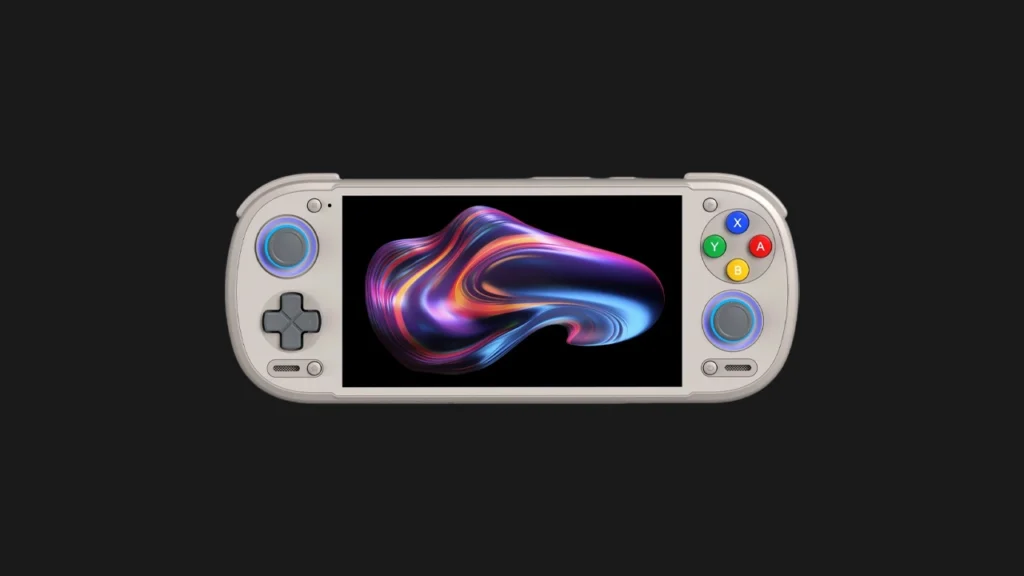
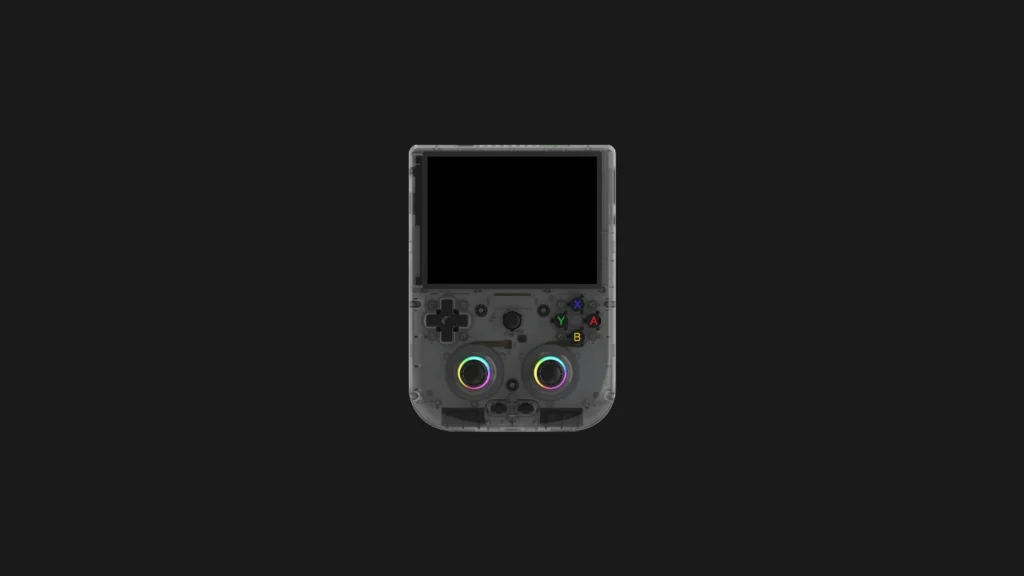
At the very bottom sits a genuinely excellent budget scene: sub-$100 Linux handhelds built mostly around a single Allwinner chipset, paired with a surprisingly mature open-source firmware ecosystem. Above that, $100–$300 mid-range Android handhelds from brands like Retroid, Anbernic, and Ayn have become the sweet spot for most buyers, typically packing OLED or AMOLED screens, Hall-effect analog sticks, and enough GPU power to handle Dreamcast, N64, PSP, and most of the GameCube and PS2 libraries comfortably.
From there, a $300–$700 premium Android tier is fought almost entirely over Qualcomm’s Snapdragon 8 Gen 2 and newer G-series chips, while Windows and SteamOS handhelds occupy the $400–$4,300 range and add heavier workloads like RPCS3 and Wii U emulation via Cemu into the mix. In the living room, official plug-and-play consoles, FPGA-based accuracy devices from companies like Analogue, Android TV boxes, and dedicated emulation boxes all continue to coexist as separate ecosystems.
The budget pick: TrimUI Brick
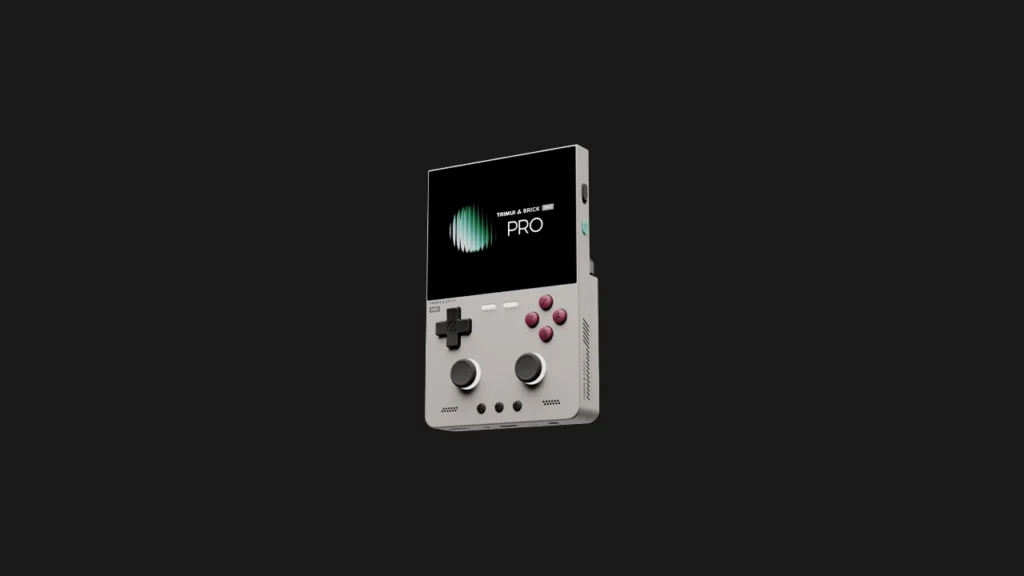
For anyone just getting started, the TrimUI Brick at around $80 remains the easy recommendation. Its 3.2-inch, roughly 400 PPI screen makes 8-bit and 16-bit games look sharper than almost anything else in its price class, and the surrounding custom firmware scene has matured enough that setup is far less fiddly than it used to be.
Why prices are moving
An industry-wide spike in DRAM and NAND prices, driven in large part by AI hardware demand, has put real pressure on the handheld market this year. Retroid raised its Pocket 5 pricing earlier in the year, Ayaneo paused pre-orders on its NEXT II handheld citing unsustainable costs, and Analogue increased the price of its Pocket on restock. The $200–$400 range — historically the most interesting part of the market — is feeling that squeeze the hardest, so if you’ve been waiting for the “right” moment to buy, that moment was probably a few months ago rather than a few months from now.
Spec sheets are the wrong way to shop
One thing worth internalizing before spending money this year: raw specifications have become a poor predictor of real-world emulation performance. Driver maturity matters more than clock speed — a three-year-old Snapdragon 8 Gen 2 chip can outperform newer, pricier silicon simply because emulator developers have had years to optimize against its GPU drivers, while support for brand-new chips is still catching up. Form factor, custom firmware support, and community consensus from sites and communities that specialize in handheld reviews end up mattering far more than anything printed on a spec sheet.
The takeaway
If you want the widest possible library on a budget, a sub-$100 Linux handheld or a mid-range Android device covers the vast majority of retro and sixth-generation consoles without issue. If you need PS3, Wii U, or Switch-successor emulator performance, you’re looking at Windows or SteamOS hardware, and you should expect to pay accordingly — and probably sooner rather than later, given where component prices are headed.